


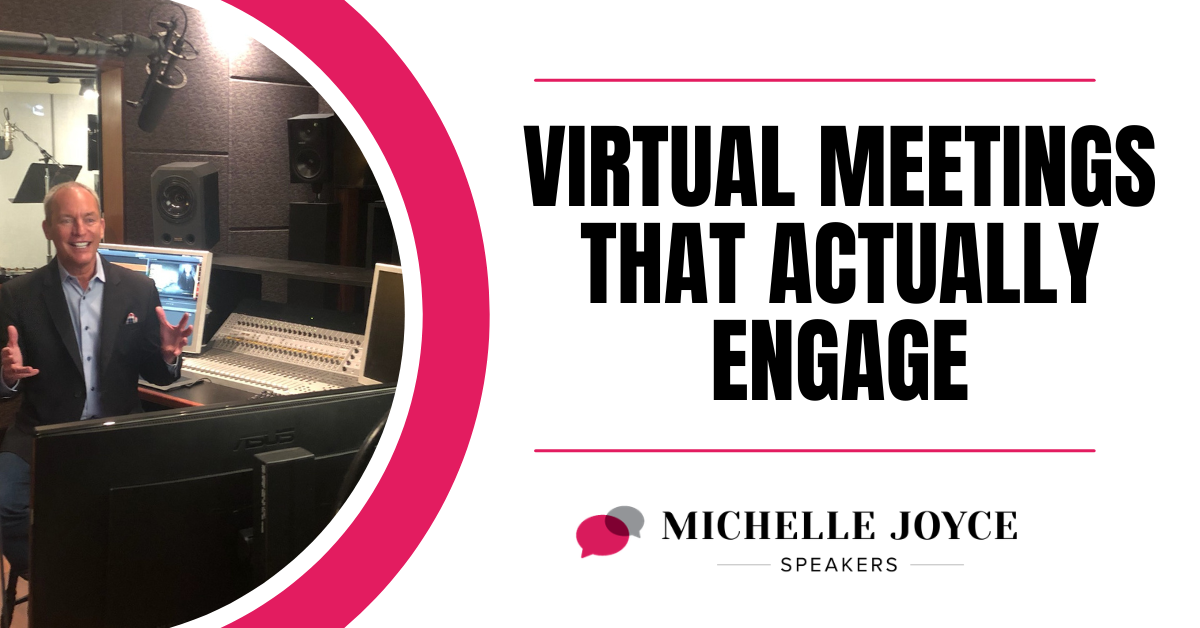
Virtual meetings aren’t going anywhere. And that’s a good thing.
While there is tremendous value in bringing people together in person, virtual meetings give organizations another powerful way to connect, communicate, train, and develop their people without the time and expense of travel.
The key is making them worth attending.
After nearly three decades in the professional speaking and corporate meetings industry, I’ve seen meetings evolve in just about every direction imaginable. One thing remains constant: the format matters less than the experience you create.
A great virtual meeting shouldn’t feel like an in-person meeting squeezed onto a laptop screen. It should be intentionally designed for the virtual environment, with the right content, pacing, interaction, and speaker.
Virtual Doesn’t Have to Mean Less Engaging
There’s a big difference between a virtual meeting and a great virtual meeting.
We’ve all attended the other kind. Someone shares a screen. Slides go up. Cameras go off. Multitasking begins.
But when virtual meetings are thoughtfully designed, they can be incredibly effective.
The best virtual programs tend to be:
- Focused. Virtual audiences benefit from a clear objective and content that gets to the point.
- Interactive. Polls, chat, Q&A, breakout conversations, reflection exercises, and audience participation keep people involved rather than simply watching.
- Well-paced. The rhythm of a virtual presentation is different from an in-person keynote. Strong virtual presenters understand how to continually reset attention.
- Relevant. Audiences engage when they immediately understand how the content applies to their work, their challenges, and their lives.
- Professionally delivered. Great content still needs great delivery. Production quality, technology, lighting, sound, visuals, and presentation skills all contribute to the experience.
And perhaps most importantly, the person leading the meeting needs to know how to connect through a screen.
A Professional Speaker Can Change the Energy of a Virtual Meeting
One of the biggest misconceptions about virtual events is that a professional keynote speaker is only necessary when everyone is gathered in a ballroom.
Not true.
In fact, a skilled professional speaker can be even more valuable virtually because they know how to capture attention, create energy, communicate an idea clearly, and keep an audience engaged.
At Michelle Joyce Speakers, all of the professional speakers we represent can deliver engaging virtual programs. They understand that presenting virtually requires a different approach than walking onto a stage in front of 1,000 people.
Depending on your objectives, a virtual speaker can lead a keynote, facilitate a leadership session, host a workshop, conduct an executive conversation, provide training, moderate a discussion, or create a highly interactive learning experience.
The question isn’t simply, “Can this speaker present virtually?”
The better question is, “Can this speaker create an experience virtually?”
That distinction matters.
One of the Best Uses of Virtual? Reinforcement After the Keynote.
Here’s where I think companies have an enormous opportunity.
Think about what happens after a great in-person event.
Your audience leaves energized. People are talking about the keynote. They’re repeating memorable phrases from the presentation. They’re discussing new ideas with colleagues.
And then Monday happens.
Emails pile up. Meetings resume. Deadlines take over. And even the best ideas can slowly get buried beneath the realities of everyday work.
Virtual reinforcement can help prevent that.
Rather than thinking of your keynote as a single moment in time, think of it as the beginning of a longer learning experience.
For example, an organization might bring a speaker in for an in-person leadership conference and then invite that speaker back virtually 30, 60, or 90 days later.
That follow-up session can revisit the core ideas from the keynote, explore how participants have applied them, address challenges they’ve encountered, answer questions, and take the learning deeper.
Now the keynote isn’t simply something employees heard.
It becomes something they are actively working to apply.
Turn an Event Into a Learning Journey
This is one of the biggest shifts we encourage meeting planners and corporate leaders to consider.
Instead of asking:
“Who should we hire for our keynote?”
Consider asking:
“What do we want people to think, feel, or do differently six months after this event?”
That question changes the conversation.
Maybe your organization is working to develop stronger leaders. Improve sales performance. Build a healthier workplace culture. Strengthen customer experience. Help employees navigate change. Develop emotional intelligence. Increase resilience. Encourage innovation. Or prepare teams to work effectively alongside AI.
Those aren’t one-hour objectives.
A keynote can create the spark. Reinforcement helps turn that spark into sustained action.
A longer engagement might include an in-person keynote followed by virtual sessions for specific groups, such as senior leaders, managers, sales teams, emerging leaders, or other employee populations.
It might include a virtual Q&A several weeks after the event. A deeper workshop. A leadership discussion. A webinar. A series of shorter reinforcement sessions.
There is no single formula.
The goal is to create the right experience for your audience and your objectives.
Virtual Meetings Also Give You Access
Virtual programming removes many of the logistical barriers associated with traditional meetings.
You can bring together employees from multiple offices or countries. You can provide professional development without taking an entire team out of the field. You can create targeted programs for smaller groups that might not justify a standalone in-person event.
And you can give more people access to exceptional thought leaders and professional speakers.
That makes virtual programming particularly valuable for organizations with distributed teams.
It also means your investment in a speaker doesn’t necessarily need to begin and end with the annual conference.
Think Beyond the One-Hour Keynote
We love a great keynote. There’s something special about hundreds or thousands of people experiencing the same message together in the same room.
But we also love helping organizations think bigger about what happens after the applause.
At Michelle Joyce Speakers, we’ve spent decades helping companies, associations, meeting professionals, and event leaders find the right speaker for the right audience. Today, that means looking beyond simply filling a keynote slot.
It means asking what you want the speaker to help you accomplish.
Sometimes the answer is an unforgettable keynote at your annual meeting.
Sometimes it’s an engaging virtual program that brings a distributed workforce together.
And increasingly, it’s both: an exceptional in-person experience followed by strategic virtual reinforcement that keeps the ideas alive long after everyone goes home.
Because the best meetings don’t just create a great hour.
They create momentum.
And the right speaker can help you keep it going.
Connect with us here, and tell us about your audience, your objectives, and the experience you’re hoping to create, and we’ll be happy to be a resource.
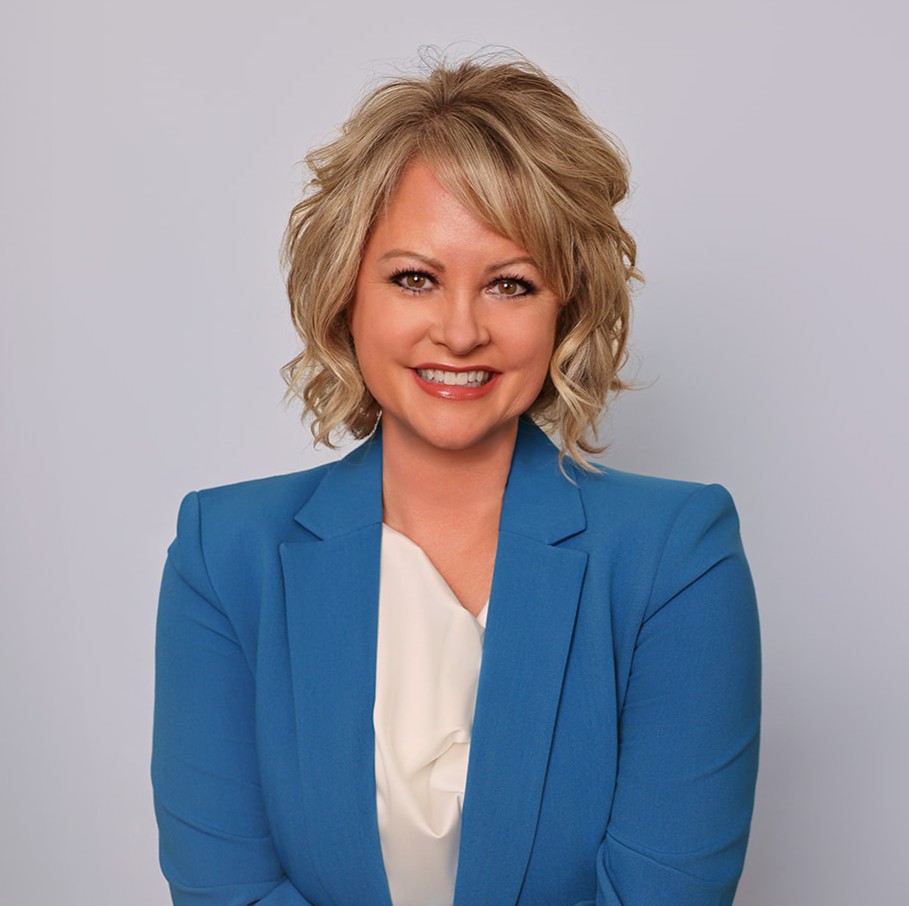
Michelle Joyce has spent nearly 30 years in the professional speaking and corporate meetings industry, helping organizations identify and book keynote speakers for conferences, leadership meetings, sales events and corporate gatherings. She is the Founder and President of Michelle Joyce Speakers and serves on the Executive Board of the Global Speaking Industry Association, where she previously served as President. Michelle is frequently called upon as an industry expert and is passionate about helping meeting professionals find the right speaker for the right audience.

Virtual meetings are great because we gotta admit that sometimes when you attend in-person meetings, you might end up zoning out. At the very least with virtual meetings, you have to focus your attention cause everyone can see what you’re doing.