

Burnout has become one of the biggest challenges facing today’s workforce.
People are stretched. Leaders are carrying increasingly complex responsibilities. Teams are navigating constant change. Technology has made it possible to work from almost anywhere, but it has also made it harder to ever truly stop working.
And telling people to “take better care of themselves” isn’t enough.
If organizations want people to perform at their best for the long haul, the conversation around burnout needs to change.
Beating burnout isn’t about doing less. It’s about learning how to perform, recover, adapt, and work in ways that are sustainable.
That’s an important distinction, particularly for high-performing organizations.
At Michelle Joyce Speakers, we represent several keynote speakers who approach burnout, resilience, energy, and sustainable performance from different perspectives. Alan Stein, Jr., Rachel Sheerin, Steve Gutzler, and Colette Carlson each give audiences practical strategies for performing at a high level without continually running themselves into the ground.
Burnout Is More Than Being Tired
Everyone has busy weeks.
Burnout is different.
It can show up as exhaustion, disengagement, frustration, declining motivation, lack of focus, reduced performance, and the feeling that there simply isn’t enough left in the tank.
And it doesn’t only affect the individual experiencing it.
Burnout can influence how people lead, communicate, collaborate, serve customers, make decisions, and respond to challenges.
That’s why burnout isn’t simply an employee wellness issue.
It’s a performance issue. A leadership issue. A culture issue. And ultimately, a business issue.
So how do organizations address it?
There isn’t one answer. But there are some powerful places to start.
Alan Stein, Jr.: Sustain Your Game
High performers know how to work hard.
The bigger challenge is learning how to keep performing at that level.
In Sustain Your Game, Alan Stein, Jr. tackles the sustainability side of high performance, drawing from the principles he learned working with some of the world’s most elite athletes and organizations.
Alan understands something that professional athletes have known for years: performance and recovery aren’t opposites. Recovery is part of performance.
You can’t continually operate at maximum intensity and expect maximum results.
Sustainable high performance requires intentional habits around energy, focus, preparation, recovery, and the choices we make every day.
That can be a difficult message for ambitious leaders and high-performing teams. When people pride themselves on their work ethic, slowing down can feel counterproductive.
But the goal isn’t to become less driven.
It’s to make that drive sustainable.
Alan helps audiences think differently about what it means to perform at their best, shifting the focus from short-term intensity to the habits and disciplines that allow people to continue bringing their best over time.
Because reaching a high level of performance is one challenge. Sustaining it is another.
Rachel Sheerin: Burning at Both Ends
Sometimes burnout doesn’t look like someone who has stopped caring.
It looks like the exact opposite.
The person who says yes to everything.
The leader everyone relies on.
The employee who keeps pushing.
The high achiever who is incredibly good at getting things done, right up until they aren’t.
Rachel Sheerin brings her trademark energy, humor, and candor to this challenge in Burning at Both Ends.
Rachel helps audiences recognize the habits and thought patterns that can turn ambition into exhaustion and passion into burnout.
Her message is especially relevant because burnout often affects the people organizations can least afford to lose: engaged, committed, high-performing employees who care deeply about doing a great job.
The answer isn’t asking those people to care less.
It’s helping them understand how to pursue success in healthier, more sustainable ways.
Rachel gives audiences permission to examine how they are working, what they are carrying, and where they may need to make different choices to protect both their performance and their well-being.
And because Rachel delivers the message with humor and humanity, audiences can explore a serious topic without the experience feeling heavy.
Steve Gutzler: Full Potential
Burnout doesn’t just drain energy.
It can disconnect people from the very things that once motivated them.
When you’re moving from meeting to meeting, responding to constant demands, and simply trying to get through the day, it’s easy to shift into survival mode.
Steve Gutzler’s Full Potential helps people reconnect with the mindset, emotional intelligence, and intentionality required to perform at their best.
Steve’s approach reminds audiences that reaching your full potential isn’t about squeezing more productivity out of every available minute.
It’s about becoming more intentional about how you show up.
How do you manage your energy?
How do you respond under pressure?
What mindset are you bringing into the room?
How does your emotional state affect the people around you?
And are your everyday choices moving you closer to your potential or simply keeping you busy?
For leaders, those questions become even more important because their energy doesn’t stay contained.
Leaders set an emotional tone.
A leader who is constantly overwhelmed, reactive, or depleted can unintentionally spread that energy throughout a team.
Steve helps leaders and employees develop the emotional awareness and practical habits that allow them to show up with greater purpose, focus, optimism, and resilience.
Colette Carlson: Resilient Performance
Organizations aren’t going to stop changing.
Deadlines aren’t disappearing. Expectations aren’t going away. Markets will continue to shift, technology will continue to evolve, and people will continue to face uncertainty both inside and outside of work.
So resilience matters.
But resilience shouldn’t mean simply becoming better at enduring unhealthy levels of stress.
In Resilient Performance, Colette Carlson helps audiences develop the skills to navigate pressure, change, and adversity while continuing to perform effectively.
Her approach recognizes the very human side of performance.
People need practical strategies to manage stress, protect their energy, communicate what they need, establish healthier boundaries, and remain connected to themselves and others during demanding seasons.
For organizations, resilient performance creates an important middle ground.
You don’t have to choose between results and well-being.
The goal is to build people and cultures capable of supporting both.
Stop Treating Burnout Like an Individual Problem
Perhaps one of the most important conversations organizations can have about burnout is this:
You can’t put the entire responsibility for preventing burnout on the employee.
Yes, individuals need tools.
They need to understand how to manage energy, create boundaries, recover, build resilience, and make healthier choices.
But organizations also need to examine the environments in which those individuals are working.
What behaviors are leaders modeling?
Is being constantly available treated like a badge of honor?
Are people rewarded for results while quietly being encouraged to work in unsustainable ways?
Do employees feel comfortable communicating when they’re overwhelmed?
Are priorities actually clear, or is everything urgent?
Does your culture celebrate performance at any cost, or sustainable performance over time?
You can teach people resilience.
But leaders also need to create workplaces where people don’t have to continually use that resilience simply to survive.
High Performance Should Be Sustainable
The goal of addressing burnout isn’t to lower expectations.
It’s to create conditions where people can continue meeting high expectations without continually depleting themselves in the process.
Alan Stein, Jr. helps people sustain their game.
Rachel Sheerin helps high achievers recognize when they’re burning at both ends.
Steve Gutzler helps people reconnect with the mindset and emotional intelligence needed to reach their full potential.
And Colette Carlson helps organizations build the resilience required for sustained performance in a demanding world.
Four different perspectives.
One increasingly important objective:
Helping people perform at their best today without sacrificing their ability to perform at their best tomorrow.
That’s a conversation worth bringing to your next leadership meeting, employee conference, sales meeting, or company-wide event.
At Michelle Joyce Speakers, we help organizations identify the right speaker and message based on the challenges their people are actually facing.
Connect with us here, and tell us about your audience, your objectives, and the experience you’re hoping to create, and we’ll be happy to be a resource.
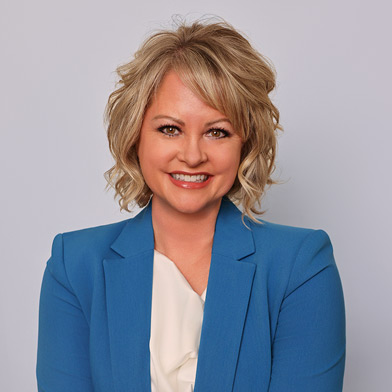
Michelle Joyce has spent nearly 30 years in the professional speaking and corporate meetings industry, helping organizations identify and book keynote speakers for conferences, leadership meetings, sales events and corporate gatherings. She is the Founder and President of Michelle Joyce Speakers and serves on the Executive Board of the Global Speaking Industry Association, where she previously served as President. Michelle is frequently called upon as an industry expert and is passionate about helping meeting professionals find the right speaker for the right audience.